

The narrative around false teeth has long centred on older generations, conjuring images of retirement homes and grandparents. Yet a quiet demographic shift is underway in dental practices across the UK. Adults aged 35 to 45 now represent a growing proportion of new denture patients, challenging outdated assumptions and seeking solutions that blend functionality with aesthetic confidence.
This group faces unique pressures. Many are navigating demanding careers, managing mortgages, raising families, and maintaining social lives. When tooth loss strikes, the need for rapid, reliable restoration becomes paramount. Full dentures, once dismissed by younger patients as an option reserved for later decades, are increasingly recognised as a pragmatic and psychologically empowering choice.
The Hidden Rise in Adult Tooth Extraction
Deferred NHS dental care during the COVID-19 pandemic has left a measurable legacy. Adult tooth extraction rates in the UK have climbed by approximately 12 to 15 per cent since 2020. Routine check-ups were postponed, minor issues escalated into irreversible damage, and by the time many patients returned to the dental chair, extraction had become the only viable course of action.
Younger patients now account for roughly 22 to 28 per cent of new denture wearers. This demographic shift reflects more than postponed treatment. It encompasses lifestyle factors, genetic predispositions, and the cumulative impact of stress on oral health. Adults in their late thirties and early forties are experiencing tooth loss not from neglect, but from the collision of modern life with biological vulnerabilities.
For professionals in client-facing roles, the psychological toll can be severe. Losing teeth at an age when career momentum is accelerating introduces a specific anxiety that older retirees rarely confront. The prospect of missing teeth during a pitch, a board meeting, or a networking event can feel catastrophic. False teeth offer a pathway back to confidence that is both immediate and predictable.
Confidence Gains in Professional Settings
Psychological research highlights a tangible benefit. Professional adults in management or customer-facing roles report confidence improvements of between 34 and 41 per cent after transitioning from partial removable bridges to full dentures. The reasons are practical rather than abstract. Partial bridges can shift during speech, creating unpredictability in high-stakes moments. Full dentures, when properly fitted, provide stability that allows the wearer to focus on content rather than mechanics.
Public speaking becomes less fraught. Presentations no longer carry the added burden of monitoring whether a denture clasp has loosened or whether pronunciation has been compromised. For individuals whose livelihoods depend on clear communication and assured delivery, this stability translates directly into performance outcomes.
The career implications extend beyond meetings. Job interviews, client dinners, and conference networking all demand social confidence. Knowing that a smile appears natural and that speech remains unaffected removes a layer of self-consciousness that can otherwise inhibit professional advancement.
Implant-Supported Dentures: A Hybrid Solution
Cost remains a significant consideration for younger adults, many of whom are balancing mortgages and family expenses. Full mouth implants, whilst offering unparalleled permanence, typically require an investment beyond the reach of most working-age patients. Implant-supported dentures present a middle ground that addresses both financial and functional concerns.
This hybrid approach involves securing dentures with two to four dental implants per arch, providing retention without the expense of replacing every tooth individually. The dentures clip onto the implants, eliminating slippage entirely. For professionals navigating video calls, presentations, and face-to-face negotiations, the elimination of movement is transformative.
Recovery time for implant-supported dentures falls between traditional dentures and full implants. Initial healing takes several weeks, but the long-term stability justifies the investment for many younger patients. The ability to eat a wider range of foods without modification and to speak without compensatory adjustments makes this option particularly appealing to those in demanding careers.
Modern Materials Erase Visual Stigma
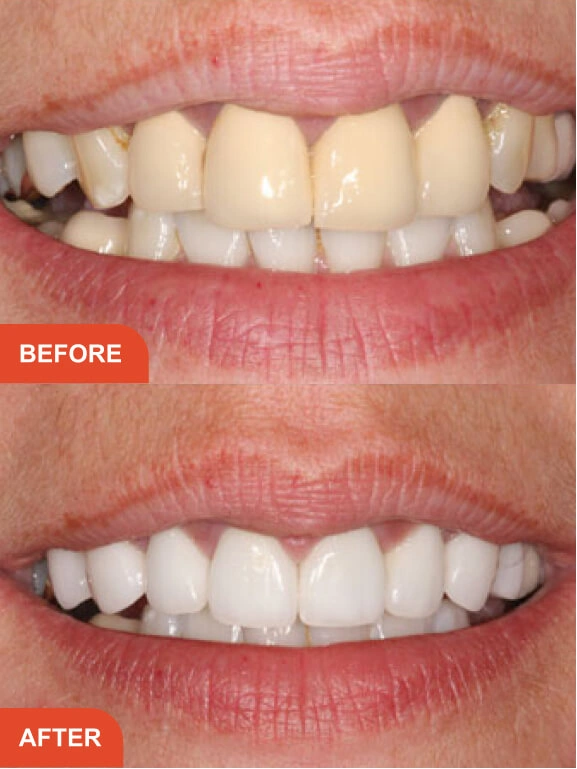
Technological advances in cosmetic dentistry materials have fundamentally altered the aesthetic profile of false teeth. Tooth-coloured clasps replace conspicuous metal components, and gum-shaded acrylic bases mimic natural tissue with remarkable fidelity. In social settings, modern dentures are visually indistinguishable from biological teeth.
This invisibility matters profoundly to younger patients. The social stigma associated with dentures has historically stemmed from their detectability. When clasps glinted under restaurant lighting or acrylic bases appeared unnaturally uniform, wearers felt exposed. Contemporary materials eliminate these tells, allowing patients to navigate social and professional environments without fear of discovery.
Customisation has also improved. Dentists can match tooth colour, shape, and arrangement to the patient’s facial structure and aesthetic preferences. For adults who remember their natural smile, the ability to recreate it (or improve upon it) offers psychological continuity that older denture designs could not provide.
Minimal Career Disruption
Time away from work poses a genuine concern for employed individuals. Implant surgery typically requires six to eight weeks for full recovery, during which dietary restrictions and discomfort can affect productivity and social interaction. Traditional false teeth, by contrast, allow most younger professionals to return to work within one to two weeks of extraction and fitting.
The initial adjustment period involves adapting to the sensation of wearing dentures, refining speech patterns, and building muscle memory around eating. However, for patients whose livelihoods do not depend on physically demanding labour, this adjustment rarely necessitates extended absence. Many return to desk-based roles within days, managing minor discomfort with over-the-counter pain relief.
For self-employed professionals or those in roles where extended sick leave jeopardises projects or client relationships, this rapid turnaround is decisive. The ability to maintain career momentum whilst addressing dental health aligns with the realities of modern employment, where prolonged absence can have lasting financial consequences.
Maintenance and Long-Term Success
Younger patients bring certain advantages to denture care. Studies indicate that adults under 50 report 89 per cent success with daily denture hygiene routines, compared to 67 per cent compliance in patients over 65. Dexterity, cognitive clarity, and routine-forming capacity all favour younger wearers, leading to longer denture lifespan and fewer complications.
Daily maintenance involves removing and cleaning dentures with specialised solutions, brushing remaining gum tissue, and storing dentures properly overnight. For adults accustomed to managing complex schedules and multiple responsibilities, these tasks integrate seamlessly into existing routines. The predictability of denture care contrasts favourably with the uncertainty of managing failing natural teeth or the surgical follow-up required for implants.
Regular dental check-ups remain essential. Dentures require periodic adjustments as gum and bone tissue change over time. However, for younger patients with decades of wear ahead, investing in proper maintenance pays dividends in both comfort and longevity.
Addressing the Emotional Journey
Tooth loss at 35 or 40 carries an emotional weight distinct from loss in later life. It contradicts cultural expectations around health, youth, and vitality. Many younger patients describe feeling isolated, as if they have failed in some fundamental way. Marketing materials that depict denture wearers exclusively as elderly compound this sense of alienation.
Acknowledging this demographic shift is overdue. Younger adults considering modern false teeth need to see themselves represented in treatment discussions. They require honest information about recovery, realistic expectations about aesthetics, and validation that choosing dentures at their age is neither unusual nor a surrender to ageing.
For professionals whose self-image is tied to competence and control, tooth loss can feel like a public exposure of vulnerability. Restoring a confident smile through well-fitted dentures is not merely cosmetic. It is an act of reclaiming agency over how one is perceived and how one moves through the world.
Making the Decision
Choosing false teeth involves weighing financial constraints, lifestyle demands, and personal values around aesthetics and health. For younger adults, the decision often hinges on immediacy and reliability. Dentures provide both. They restore function quickly, allow professionals to re-engage with their careers without prolonged disruption, and deliver cosmetic results that meet the exacting standards of appearance-conscious individuals.
Consulting with a dental professional experienced in treating younger denture patients is critical. Not all practices recognise the specific concerns of this demographic. Finding a clinic that offers personalised treatment plans, modern materials, and an understanding of professional pressures ensures that the restoration process aligns with both clinical needs and life circumstances.
False teeth are no longer a marker of old age. They are a solution for adults navigating the intersection of biological realities and modern professional demands. For those aged 35 to 45, the decision to choose dentures reflects pragmatism, confidence, and a refusal to let tooth loss dictate the trajectory of their careers or social lives. Speak to our helpful team today and see how Perfect Smile Spa can help you reclaim your confidence.