

The Lunch Break Promise: What Composite Bonding Clinics Are Selling You
Scroll through any cosmetic dental clinic’s social media feed in 2026 and you will find the same pitch delivered with confident consistency: pop in on your lunch break, walk out with a transformed smile, get back to your desk in time for your two o’clock. It sounds ideal for someone with a packed diary, a client presentation on Friday, and a chip in their front tooth that has been quietly undermining their confidence for months.
The trouble is that patient forums across the UK tell a different story. Posts from mid-2026 describe residual gum sensitivity during a boardroom lunch, a bite that felt slightly off for three days after the procedure, and colour-matching revisits that nobody mentioned at the booking stage. None of these outcomes make composite bonding a bad treatment. Quite the opposite. But they do expose a gap between the marketing and the reality that is costing patients their confidence at precisely the moment the treatment was supposed to bolster it.
If you are researching composite bonding in Essex because you want a result that genuinely works around your professional life, this article is for you.
What Composite Bonding Actually Involves
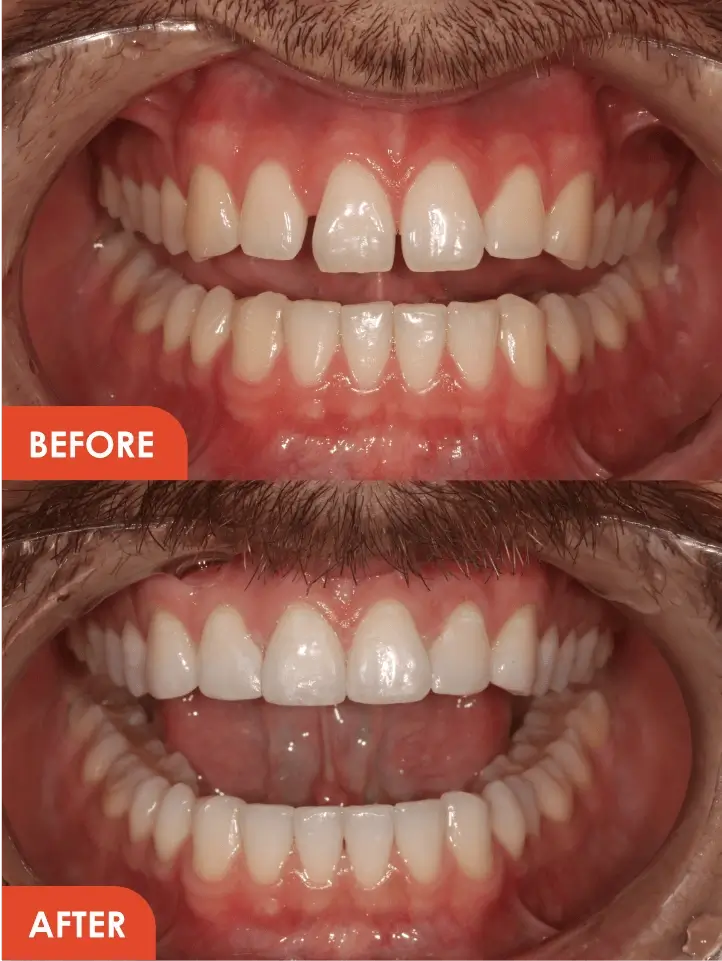
Composite bonding is a minimally invasive cosmetic procedure in which a tooth-coloured resin is sculpted directly onto the surface of the tooth to correct chips, gaps, discolouration, or minor misalignment. The resin is then hardened with a curing light. Unlike porcelain veneers, the process requires little or no removal of natural enamel, and the core procedure is completed in a single visit.
That single-visit fact is the foundation of the lunch break claim, and it is legitimate. A skilled dentist applying composite to two or four teeth can realistically complete the clinical work within 45 to 90 minutes. The problem is not the procedure itself. The problem is everything that happens immediately afterwards that clinics prefer not to feature on their Instagram grids.
The Four Scenarios Where the Schedule Unravels
The clinical work goes smoothly. You look in the mirror and feel a rush of satisfaction. Then the afternoon happens.
1. The 48-Hour Dietary Window
Freshly placed composite is porous for roughly 48 hours before the final surface polish, which means coffee, red wine, tomato-based sauces, and heavily pigmented foods can stain the resin before it fully sets. Most clinics include a note about this in an aftercare leaflet. Fewer discuss it meaningfully during consultation. If you had planned a working lunch at an Italian restaurant with a new client that afternoon, finding this out from a leaflet in the car park is unhelpful.
2. Gum Sensitivity and Self-Consciousness
Even with careful technique, the gum line can feel tender for several hours after bonding, particularly if any shaping or contouring was needed near the tissue margin. For most patients this is mild and fades by evening. For someone sitting under bright lights in a client-facing meeting, acutely aware of their mouth for the first time in years, even mild sensitivity can become a significant distraction.
3. A Bite That Sits Slightly High
Getting the bite absolutely perfect during the same appointment is one of the more technically demanding aspects of composite bonding. Because the composite adds a small amount of material to the tooth surface, the upper and lower teeth meet in a slightly different position. Most dentists adjust this on the day, but in a small proportion of cases the patient only becomes aware of the unevenness when they start eating normally at home. A return bite-check visit is needed. This visit is quick, often under 20 minutes, but it still requires a slot in the diary. Clinics that sell a strictly one-visit result are underselling this possibility.
4. The Six-Week Polish Appointment
This is the one that surprises the most patients. The six-week follow-up polish is not an optional extra. It is where long-term colour stability is secured. The resin surface is refined, the gloss is restored, and any micro-adjustments to shape are made while the composite is still at the ideal stage for modification. Skipping it or delaying it for months because nobody built it into the original scheduling conversation is one of the main reasons composite bonding results look less impressive at the one-year mark than they should.
Why This Matters More for Client Facing Roles
For most people, mild post-procedure sensitivity is an inconvenience. For a professional with presentations, video calls, and client lunches scheduled around the procedure, it can translate into genuine anxiety. You booked the treatment to feel more confident in exactly those situations. Discovering on the afternoon of a major pitch that your bite feels strange, or that you cannot order the house red, undermines the whole investment.
Getting the scheduling right the first time is not a minor detail. It is central to whether the treatment delivers what you actually wanted from it.
Why Clinics Let This Information Slip
Clinics competing primarily on speed and convenience have a clear commercial incentive to keep the sales message simple. “One visit, no downtime, back at your desk by two” converts browsers into bookings more reliably than “one visit, plus a bite check if needed, plus a six-week polish, and avoid coffee for 48 hours.” The fuller version is still an excellent proposition. It just requires a slightly more honest conversation.
The result is that the aftercare leaflet does the work that the consultation should have done. Patients discover the dietary restrictions on their way out rather than before they scheduled the appointment around a client lunch.
Three Questions to Ask Before You Book Anywhere
You can filter out clinics that are more invested in filling appointment slots than in managing your expectations. Ask these three questions directly, by phone or at a consultation, and listen carefully to how the answers land.
- How many visits does a complete composite bonding result actually require?
The honest answer acknowledges the core procedure, the possibility of a bite-check visit, and the six-week polish. - What is your protocol if the bite needs adjusting after I leave?
A good clinic has a clear, no-charge process for this and will tell you how quickly they can see you. - What dietary restrictions apply and for how long?
Specifics matter here: pigmented food and drink for 48 hours, no staining drinks immediately before the six-week polish. Vague reassurances are a warning sign.
A clinic that answers all three with specific, honest detail is one worth trusting with your time and your smile. A clinic that says simply “one visit, no restrictions” deserves further scrutiny before you commit.
How Perfect Smile Spa Handles This Differently
At Perfect Smile Spa in Hornchurch, composite bonding consultations include a realistic scheduling conversation as standard. The team maps out the procedure date, any follow-up bite check, and the six-week polish appointment into a calendar plan that a professional can actually build their diary around rather than retrofit awkwardly after the fact.
The clinical team uses a layered application technique that minimises post-procedure sensitivity by building the resin in increments, allowing each layer to cure fully before the next is applied. The approach takes marginally longer than a single-layer application, but the reduction in sensitivity and the improved structural integrity of the result make it worthwhile for patients who cannot afford to sit through a client dinner feeling uncomfortable three hours later.
Every patient leaves with a written aftercare guide, not a verbal summary delivered while they are still adjusting to their new smile in the mirror. The guide covers the 48-hour dietary window, what to expect from any residual sensitivity, how to identify whether a bite-check visit is needed, and how to prepare for the six-week polish. It is the kind of information that should be standard across the industry but frequently is not.
The practice serves patients across Essex and East London, and the Hornchurch location on the High Street is well-placed for those commuting into or around the city. Whether you are based in Romford, Upminster, Brentwood, or into east London, the practice is a practical option rather than a significant detour.
The Honest Version of the Lunch Break Promise
Composite bonding genuinely can work around a professional schedule. The core procedure fits into a lunch break or a mid-morning slot without drama. Sensitivity, when managed with the right technique, is mild for the vast majority of patients. The bite check, if needed, takes under 20 minutes. The six-week polish is a short appointment that most people can slot into a quieter morning.
The treatment does not need to be oversold to be attractive. Natural results, minimal removal of enamel, a realistic investment compared to porcelain veneers, and a genuine same-week transformation are already a compelling proposition for someone who wants to walk into a networking event smiling without self-consciousness.
The difference between a result that exceeds expectations and one that quietly disappoints comes down to whether the clinic was honest with you before you booked. That honesty is what separates a good consultation from a sales appointment.
If you want a scheduling conversation that treats your time as seriously as you do, book a no-obligation consultation at Perfect Smile Spa in Hornchurch. You will get a realistic timeline built around your actual diary, not a slogan. Your smile is an asset worth planning properly.